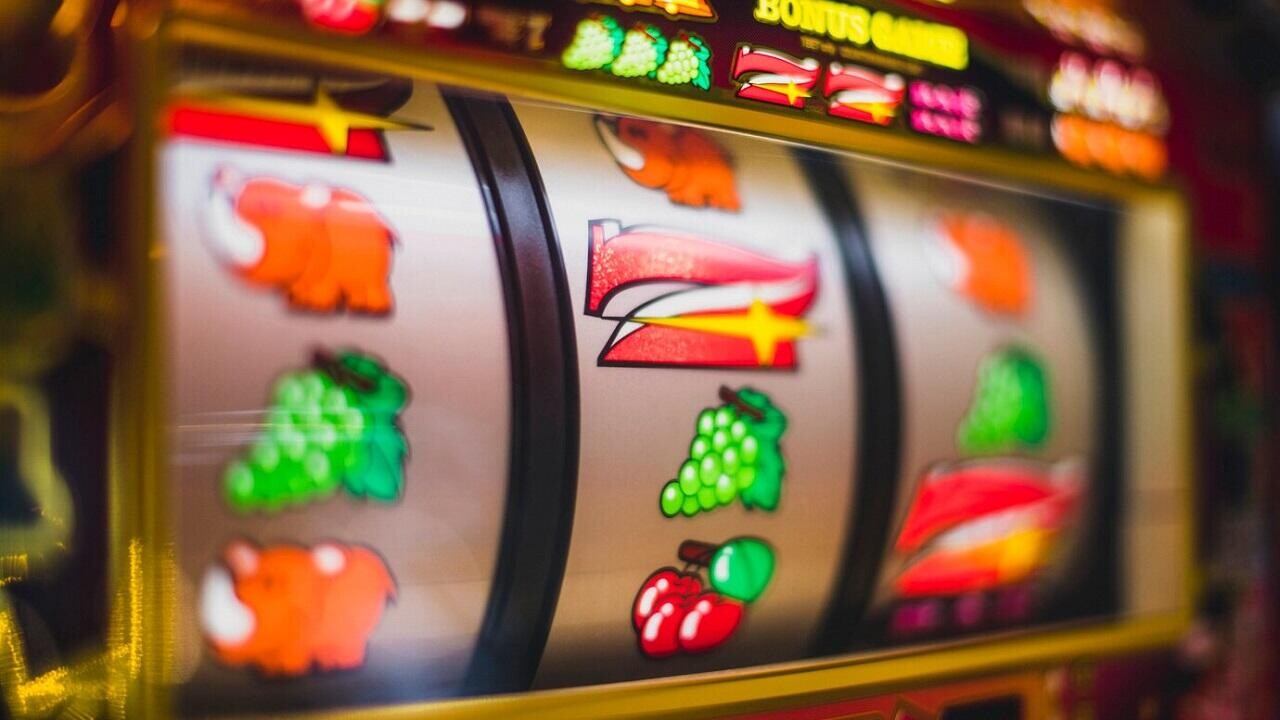
The Art of Ambience: Why Design Shapes Online Casino Entertainment

First Impressions: Visual Identity and Tone

The moment a site loads, its visual identity sets expectations: color palettes, typography, and imagery combine to create an instantaneous mood. Warm, jewel-toned interfaces tend to evoke a sense of luxury and classic casino glamour, while minimalist palettes and flat icons suggest modern efficiency and mobile-first sensibilities. The best designs use contrast and hierarchy to highlight key areas without feeling cluttered, letting users sense the brand’s personality before they click anything.

Designers often balance boldness with restraint, knowing that overly busy screens can feel chaotic on both desktop and phone. When the tone aligns with the content—be it playful, serious, or sophisticated—users find it easier to settle into the experience. One subtle advantage of strong visual identity is emotional anchoring: a consistent look-and-feel makes the service memorable in a crowded market.

Navigation and Layout: Flow that Feels Right

Good layout is invisible when it works. Navigation should let people move fluidly between discovery, information, and social areas without interrupting the mood. Cards, grids, and modular sections allow content to breathe and scale, while clear visual cues guide attention to important elements. Thoughtful spacing and predictable interaction patterns reduce cognitive load and keep the focus on entertainment rather than on figuring out the interface.

Transactional pages also reveal a lot about design priorities: concise labels, clear progress indicators, and a tone that matches the rest of the site help maintain trust through moments that could otherwise feel transactional and cold. For a simple example of how transactional information is often structured within a larger site layout, see https://www.hackathome.com.

  • Pros: Modular layouts scale well across devices and help prioritize content visually.
  • Cons: Heavy personalization can sometimes obscure navigation for newcomers.

Audio, Animation, and Microinteractions

Sound and motion are the finishing touches that turn a sterile grid into a living room. Subtle audio cues—soft chimes, ambient hums, or a muted background track—can amplify excitement or reinforce the brand’s tone without overwhelming the user. Animations, when used judiciously, provide feedback and satisfaction: a well-timed hover state or a smooth transition can make an action feel rewarded and logical.

There’s a fine balance to strike. Overuse of animation or loud audio can feel manipulative or tiring over prolonged sessions, while absence of microinteractions can leave the interface feeling flat. Designers often include granular controls for sound and motion so users can tailor the atmosphere to their tolerance and context, preserving the entertainment value while respecting personal preference.

  • Pros: Thoughtful microinteractions increase engagement and make navigation feel alive.
  • Cons: Persistent or intrusive audio and motion can alienate a portion of the audience.

Social Spaces and Live Elements: Atmosphere Beyond the Screen

Live elements—whether through human-hosted streams, chat-enabled rooms, or community leaderboards—add a social dimension that transforms solitary browsing into a shared occasion. These spaces borrow design cues from hospitality: visible cues to activity levels, clear ways to join a table, and conversational design that highlights tone and etiquette. The result is an atmosphere that mirrors real-world venues, giving users the feeling of belonging to a scene rather than just using a product.

That said, integrating live social features requires careful moderation of tone and layout. An overactive chat window or an overcrowded live lobby can negate the sense of sophistication and make the environment feel hectic. Design choices—such as collapsible chat, filtered views, and curated live experiences—help preserve atmosphere while still delivering the energy and unpredictability that live formats bring.

Closing Thoughts: Choosing the Right Atmosphere for Your Mood

When evaluating online casino entertainment through the lens of design and atmosphere, the most successful experiences are those that respect the user’s emotional journey. They combine coherent visual identity, sensible layout, restrained motion, and social features that enhance rather than overwhelm. Pros and cons exist in every aesthetic choice: what delights one visitor can distract another, so flexibility and clarity are the golden rules.

Ultimately, design is not just decorative; it’s the conductor of mood. Whether someone seeks the hush and polish of a high-roller salon or the bright energy of a bustling arcade, good design makes that choice feel intentional, comfortable, and, above all, entertaining.

Velvet Spins: Little Luxuries That Make Online Casino Nights Feel Upscale

What does “premium” even mean here?

Q: When someone calls an online casino “premium,” what are they actually noticing?

A: It’s rarely about a shiny logo. People notice small, thoughtful interactions: a snappy animation when a screen loads, a dealer who remembers your name in a live session, tactile-sounding button feedback, and visuals with consistent polish. Those tiny cues add up and make the whole experience feel curated rather than slapped together.

Which small details stand out the most?

Q: What are the little things that make a platform feel classy?

A: Think subtlety: muted color palettes, custom soundscapes, clear typography that doesn’t scream for attention, and transitions that feel natural. Behind the scenes, it’s things like fast, unobtrusive customer chat and an account area that’s actually organized—details that reduce friction instead of drawing attention to themselves.

  • Micro-animations that confirm actions without being distracting
  • High-resolution table and studio streams with cinematic lighting
  • Curated music playlists or ambient audio options
  • Thoughtful copywriting—short, human, and unpatronizing
  • Personalization that respects privacy and doesn’t feel invasive

A: These elements combine into a feeling: you’re not just clicking; you’re experiencing a carefully designed moment.

How does social nightlife translate online?

Q: Can digital spaces capture the buzz of a casino floor?

A: Yes, through social features and design choices that mimic real-world cues. Live streams with table chatter, host-led rooms that cultivate a tone, and chat that’s curated to sustain civility turn solitary screens into shared spaces. The best platforms make that social interaction feel effortless, like a bar where the conversation flows and the lighting flatters everyone.

What sensory touches make a session memorable?

Q: What senses should developers be thinking about beyond sight?

A: Sound and haptics are huge. A satisfying click, a gentle chime when something noteworthy happens, and background audio that’s adjustable create an atmosphere without overwhelming it. Even load time responsiveness becomes a sensory detail: a quick, well-timed cue reassures you the site is alive and attentive to your presence.

Where can I find thoughtful reviews and write-ups?

Q: Are there places that focus on the experiential side rather than features lists?

A: Yes—some reviews emphasize user experience, studio production quality, and customer interactions rather than just lists of games. For an example of that sort of balanced, experience-focused take, see this platform perspective: https://gardentowersmakaticondos.com/levelup-casino-review-australia, which reads more like an atmospheric walkthrough than a dry spec sheet.

How do premium touches affect long-term enjoyment?

Q: Do these aesthetic and service details matter beyond first impressions?

A: Absolutely. Little luxuries reduce friction and preserve delight over time. When navigation is intuitive and support is proactive, you spend less energy on logistics and more on the moment. That’s what keeps people coming back—not because of promised outcomes, but because the environment consistently feels good to be in.

Any final thoughts on the modern online casino vibe?

Q: What should a modern, adult audience expect from a premium platform?

Under the Neon: A Close-Up on Casino Lobbies, Filters, Search & Favorites

Q: What’s this feature spotlight about? A: Think of it as a guided tour of the parts of an online casino that decide what you see first—the lobby, the filters you flick on, the search bar you rely on, and the little heart icon that saves your shortlist. This is about user experience and the pleasure of finding the games that match your mood, not about odds or strategies.

What’s the lobby vibe?

Q: How does a lobby set the tone? A: The lobby is the first impression: it’s the lobby music, the lighting, and the floor plan of a physical venue translated into pixels. Clean layouts, rotating carousels, and curated rows say a lot about a site’s personality. Some lobbies aim for bright and playful; others are sleek and minimalist. In all cases, the lobby frames discovery and invites you to browse without pressure.

Q: What do users notice first? A: Most people notice the hero banner and the main rows—new releases, popular titles, or live dealer highlights. Beyond that, how quickly the platform surfaces relevant options matters: sorting cues, large thumbnails, and short descriptions help you decide whether to click or scroll on.

How do filters reshape discovery?

Q: Are filters just technical tools? A: Not at all. Filters are the personality controls of the lobby. They let you nudge the interface toward slots, table games, or thematic collections without losing the serendipity of discovery. A well-designed filter system feels like tuning a playlist rather than operating a complex machine.

  • Genre filters (e.g., adventure, fantasy) for mood-driven searches.

  • Feature filters (e.g., bonus rounds, cluster pays) to refine mechanics-focused browsing.

  • Provider or studio filters for brand-loyal players who follow developers.

  • Popularity and newness filters for those who like the crowd’s picks or want to try the latest drops.

Q: Do too many filters ever hurt? A: They can. Over-filtering can shrink discovery to a narrow stream. The sweet spot is a few meaningful filters that combine intuitively and let you toggle quickly without losing the serendipity that makes browsing fun.

Why search matters?

Q: Isn’t search just typing a title? A: Search does that, but modern search bars do much more: predictive suggestions, fuzzy matching, and even category shortcuts. The difference between a clumsy search and an intelligent one can turn a frustrating session into a quick, satisfying find. For many regulars, search is the fastest route to favorites, promotions, or a specific game feature.

Q: Where do curated lists fit in? A: Curated lists act as human-shaped search results. If you’re exploring a theme—like progressive jackpots—curated lists created by editors or community votes are a helpful reference; for example, a useful informational resource can be found at online progressive jackpot slots, which compiles options in a single, browsable place rather than pushing any single title aggressively.

Favorites and playlists: your shortlists

Q: Why heart a game? A: Hitting the favorites icon personalizes the lobby in subtle ways. It creates a private shelf where you can quickly return to games you liked or want to try again, and some platforms use those favorites to tailor recommendations. It’s less commitment, more convenience—like saving songs to a playlist rather than compiling a mixtape.

Q: What can lists and playlists do for the experience? A: Playlists let you group games for different moods—“chill reels,” “fast rounds,” or “big-feature experiments.” They’re social-ready on platforms that allow sharing, and they turn browsing into collection-building, which many players find satisfying beyond any single session.

  • Quick access: one-click return to saved titles.

  • Organized discovery: playlists for different moods or occasions.

  • Personal curation: your space within a larger, noisy catalog.

Q: Final takeaway? A: The lobby, filters, search, and favorites shape your experience more than you might expect. They turn a huge catalog into a personalized gallery where discovery feels intentional and fun. It’s about how the platform respects your time and tastes—inviting exploration while making it easy to return to what you already love.

The Night I Took a Guided Walk Through an Online Casino

First impressions: the lobby that greets you

I remember the first scroll through the lobby like walking into a bustling arcade after hours — lights, suggestions, and the quiet hum of options laid out with intention. The experience begins not with the games themselves but with how the site frames them: clear thumbnails, short previews, and sensible labels that reduce the guesswork. Navigation that respects your time makes exploration feel less like a chore and more like a curated evening out. A tidy search bar, sensible filters, and immediate access to help icons all whispered that this space was designed for convenience, not confusion.

Help on tap: support that actually helps

About halfway through my tour I clicked the help icon and found more than canned responses; there was a pathway. Live chat popped up with a real human tone, an FAQ offered short, well-organized answers, and the contact options were pleasantly varied. It’s one thing to have support available; it’s another to have it feel immediate and relevant. The vibe was of a team that anticipates questions and trims the friction of figuring things out on your own.

  • Live chat with quick response windows
  • Email support with clear ticket references
  • Concise FAQ and searchable help center

Each channel had visible timestamps, helpful links to related topics, and follow-up confirmation so nothing felt like it vanished into a black hole. The experience reinforced that when support is designed to be part of the journey, you spend more time enjoying the platform and less time puzzled about basic matters.

Cashier, clarity and the promise of speed

The financial side of the visit felt deliberately unflashy — in a good way. Deposit and withdrawal pages prioritized clarity over bells, with straightforward displays of available methods and expected timing. Transaction histories were easy to find, with neat line items that matched my activity. I appreciated explanations that were short, precise, and linked to further reading when necessary. For those curious about withdrawal velocity in certain corridors of the market, there are resources that compare options, such as fast payouts crypto casino australia, which can serve as informational references rather than directives.

What made this part of the tour stand out was transparency about processing stages — pending, processing, completed — and clear contact points if anything needed follow-up. When a cashier experience respects the user’s time and provides readable records, the whole session feels calmer and more controlled.

Small conveniences that add up

Walking deeper into the site, I noticed numerous little touches designed to save time and reduce friction. Saved preferences, one-click toggles for notifications, and a compact wallet view that summarized balances across methods made it easy to keep track. It’s the accumulation of these conveniences that changes a platform from a novelty into a regular destination.

  • Saved payment methods and quick-transfer options
  • Customizable alerts and activity summaries
  • Clear labeling of promotional terms and durations

Settling in: account settings and information clarity

The last part of my evening was spent in the quieter back rooms: the account and settings pages. Here, the emphasis was on control and intelligibility. Labels were plainspoken, toggles did what they said, and documentation was written for an adult audience without unnecessary jargon. I was glad to see contact logs, deposit and withdrawal records, and a help archive all in one place. That level of organization turned what could have been a tangle of menus into a calm, manageable dashboard.

Final thoughts on comfort and convenience

By the time I signed off, the feeling was less about flashy wins and more about being seen as a user with expectations for speed, clarity, and support. The best online casino experiences I encountered were those that treated help as a feature, made information easy to find, and handed back control to the player through clear interfaces and thoughtful conveniences. That kind of care transforms a click-through session into an enjoyable, repeatable part of an evening—an experience that welcomes you back without making you start from scratch each time.

The Quiet Comfort of an Evening Spent Online

I remember the first time I treated myself to a night of online casino entertainment the way people speak of a small, private show — not flashy, but thoughtfully put together. The lobby loaded with colorful tiles, a short, reassuring banner about help options, and a tiny chat icon that felt like someone had set a lamp on a side table before I sat down. The scene was less about winning and more about how the platform guided me through the evening with clear information and a sense of convenience.

First Impressions: Clarity Before Flash

The opening moments set the tone. Clear headings, quick links to support, and a visible FAQ made it easy to decide whether I wanted to explore further. I didn’t need a manual; the site handed me short, digestible explanations that answered the basic questions a newcomer might have. That clarity reduced the noise and let the experience feel like a calm, well-curated room rather than a maze.

Payments and Practicalities That Respect Your Time

One element that stood out was how payment options were presented: not buried in tiny print but listed with short descriptions and expected timelines. Seeing familiar icons and a simple breakdown of deposit and payout pathways made the practical side of the evening almost invisible — which is a good thing when the goal is to relax. For people interested in e-check conveniences, a concise external reference I came across is https://devilcantburn.com/best-echeck-casinos-in-canada/, which lays out that option in plain language without jargon.

What I appreciated was that the platform didn’t assume knowledge. It offered summaries rather than long legal copy, and links to deeper detail for those who wanted it. That approach felt supportive: you can breeze through the essentials, or you can click into more technical pages when you have the time and inclination.

Support That Actually Helps

Live chat felt less like a script and more like a conversation. The agent I chatted with replied promptly and used simple language, pointing me toward relevant pages instead of copying and pasting dense text. Beyond chat, the help center had searchable articles structured with headers and short paragraphs, which made finding answers later effortless. That kind of human-first support changes the tone of an entire evening: small hiccups remained small, and I never felt stranded.

Channels were clearly labeled and varied to match needs — a brief list of the most useful forms of contact made the site feel inclusive of different preferences:

  • Email for detailed questions that might need attachments or follow-up.
  • Live chat for quick clarifications while you’re in the middle of an activity.
  • A phone line for anyone who prefers a real-time, verbal conversation.

The Experience: Design That Respects Attention

Navigation mattered more than I expected. Small touches — like a “back to lobby” link that never lost my place, or an information icon that revealed just enough context without interrupting my flow — contributed to a relaxed pace. The evening felt more like a guided stroll than a sprint through a sales floor. It’s remarkable how much comfort a tidy interface can provide when your intention is simply to unwind.

Another pleasant surprise was the consistency of language across pages. Terminology didn’t shift between the help center and the account settings, which made reading faster and reduced the temptation to second-guess what a term might mean. That consistency makes a platform feel trustworthy without having to shout about credentials; it simply behaves reliably.

Leaving: A Thoughtful Wind-Down

As the night wrapped up, the site offered a concise summary of my recent interactions — not a ledger of every click, but a short list of recent activity and links back to support if anything needed follow-up. That kind of closure feels considerate: it acknowledges time spent and leaves open channels in a way that’s unobtrusive. Instead of an aggressive prompt to return, I got a gentle reminder that help is always available when needed.

Walking away, I appreciated the convenience-first approach. The experience emphasized support, clarity, and human interaction more than bells and whistles. For an adult audience looking for straightforward entertainment with accessible assistance, an evening like that shows how good design and thoughtful help options can turn a single session into a memorable, relaxed outing. The memory that stayed with me wasn’t a win or a loss, but the ease of being understood and supported throughout the night.

The Bright Side of Spins: Friendly Online Casino Entertainment for Grown-Ups

Why people enjoy online casino entertainment

Online casino entertainment often gets attention for its flashy angles, but a big part of its appeal is simple: convenience and enjoyment. For many adults, these platforms offer a way to unwind after a long day, connect socially in live environments, and sample a wide variety of themed experiences from the comfort of home. The best sites emphasize clear information, easy-to-reach support, and straightforward account features so players can focus on the experience rather than hunting for answers.

Support and convenience that make a difference

One of the strongest selling points of modern online casinos is the level of customer support and accessibility. Friendly live chat agents, comprehensive FAQs, and quick-response email teams create an environment where questions are resolved without fuss. Accessibility features—such as readable layouts, mobile-optimized pages, and simple navigation—help make the entertainment approachable for different preferences and devices.

Pros and cons: a balanced look

It helps to consider both the bright spots and the trade-offs when thinking about online casino entertainment. On the plus side, there’s variety, social options like live dealer tables, and promotional programs that can add novelty to the experience. On the other hand, the same variety can feel overwhelming, and certain moments like slow payment processing or unclear terms can interrupt the enjoyment. The following lists summarize common pros and cons in a clear, reader-friendly way.

  • Pros: instant access from home, diverse game and theme choices, responsive customer service, mobile-friendly play, entertaining live events.
  • Cons: too many options can be confusing, occasional service delays, some promotional details that require reading, and the possibility of sensory overload in busy live lobbies.

Clear information and where to look

Information clarity is essential for a smooth experience. Helpful sites present their terms, payout processes, and support hours in plain language, and many provide searchable help centers so you can find answers fast. For example, if you’re simply comparing how promotions are described across different platforms, resources like inclave casino bonus codes can act as a neutral reference to see how offers are framed and what common practices look like. That kind of transparent overview can save time and reduce guesswork.

How support shapes the user experience

Support touches almost every part of the experience—from onboarding to withdrawing funds and everything in between. Friendly, patient agents who explain terms without jargon can turn a confusing moment into a simple fix. Many services also include multi-channel support (chat, email, phone), and some now offer callback options so users don’t have to wait onscreen. These convenience features are often what separate a frustrating encounter from a positive one.

Practical convenience features to appreciate

There are everyday conveniences that enhance the entertainment value without changing what it is: easy account management dashboards, clear transaction histories, and straightforward notification preferences. These tools help people stay informed about activity in a calm, organized way. Equally important are accessibility improvements like dark mode, scalable fonts, and assistive navigation options that make the experience more inclusive for a broader adult audience.

Closing thoughts: balance and choice

Online casino entertainment is a mixed bag of delightful variety and occasional friction, but the industry keeps evolving toward clearer information and friendlier support. For those who value convenience and a helpful customer experience, choosing platforms that prioritize transparency and accessible help can make the difference between a one-time visit and an enjoyable recurring pastime. Approached with awareness and an eye for well-designed support features, these services can be a pleasant extension of adult leisure options.

Small UX Choices That Shape a Better Casino Session

What makes the modern online casino feel so convenient?

Convenience is less about flashy graphics and more about how easily you can get what you want: fast answers, clear menus, and seamless transitions between games, account sections, and help. Modern platforms focus on reducing friction—so signing up, finding information, and reaching support feels natural rather than a chore.

Design choices matter: intuitive navigation, search-ready help, and consistent terminology across pages cut down on guesswork. When information is presented in plain language and grouped logically, players spend less time hunting and more time enjoying the experience on their terms.

How does customer support actually improve the experience?

Support is the backbone of a comfortable online entertainment environment. A friendly live chat agent, a responsive email team, or a well-crafted FAQ can turn a small hiccup into a quick, forgettable moment. The goal is to feel guided rather than policed—human-centered help creates confidence and keeps frustration low.

Common help options you’ll see include:

  • Live chat for instant, conversational replies
  • Comprehensive FAQs that answer common questions in plain language
  • Dedicated email or ticket systems for more complex issues
  • Multilingual support and clear escalation paths when needed

These features are about accessibility more than formality; when support is visible and easy to reach, the overall experience feels safer and more enjoyable.

Are bonus and payment details explained in a clear way?

Clarity around bonuses and payments makes a big difference to how approachable a platform feels. Rather than dense legalese, clear summaries, example scenarios, and easy-to-find terms help users understand what’s involved without needing to decode wall-of-text paragraphs. When the language is straightforward, you can decide with confidence whether an offer fits your preferences.

For an example of how payment-related bonus details can be explained simply, you might look at resources that break down PayPal-related offers in plain terms, such as https://www.distree-emea.com/paypal-casino-bonuses-explained, which highlights typical wording and common questions people have about that specific payment method.

Where can players find quick, reliable information on a site?

Reliable info tends to live in three places: a succinct FAQ, a searchable help center, and contextual prompts inside the product itself. Tooltips, short banners, and unobtrusive prompts near relevant buttons often answer the most immediate questions without forcing you to leave the page.

Good sites also offer layered information: a short summary up front, then expandable sections or links to more detail for anyone who wants it. That way, casual browsers get the essentials quickly, while detail-oriented readers can dive deeper on their own terms.

What should you expect from the overall support ecosystem?

Expect responsiveness, clarity, and multiple contact channels. The most user-friendly platforms acknowledge common stumbling points proactively—through clear onboarding copy, confirmations that explain what happens next, and visible timelines for processes like withdrawals or identity checks. That proactive clarity reduces uncertainty and improves trust without turning into a lecture about rules.

Finally, look for a help tone that mirrors how people actually speak: short sentences, plain words, and step-by-step descriptions when complexity is unavoidable. When support content respects your time and intelligence, it transforms online entertainment from a passive pastime into a smooth, enjoyable service that fits into modern life.

The Little Luxuries That Make Online Casino Nights Feel Premium

First impressions: what stands out

Walk into an online casino and the first thing that nudges you into a different mood is not the lobby banner or the bonus line — it’s the small details. The font choices, the way a table softly highlights when you hover, the subtle animation when a card is dealt: these tiny touches whisper “thoughtful design” and make the whole experience feel curated rather than mass-produced.

It’s the difference between a noisy arcade and a dimly lit lounge. Instead of shouting for attention, a premium platform invites you with quiet cues: a warm color palette, restrained sound design, and an intuitive navigation that doesn’t call attention to itself. Those are the elements that turn a few minutes of play into a memorable night in.

The sensory details: what you’ll notice

Beyond visuals, sensory design is where many sites try to emulate the live-floor experience. Crisp audio for dealer interactions, textured card backs, and haptic feedback on mobile devices give a tactile sense of engagement. These are not necessary for functionality, but they add a layer of polish that makes interactions feel intentional and human.

Here are some of those small premium signatures I keep an eye out for:

  • Soft, layered soundscapes that change with game tempo rather than a single repetitive loop.
  • Micro-animations that confirm your actions without slowing the flow — a subtle glow, a brief shimmer, a smooth fade.
  • Personalization touches like remembering table preferences or offering tailored lobby views.
  • Responsive mobile layouts that feel native, including proper spacing for thumb reach and readable typography.

Behind the scenes: conveniences and extras

Conveniences that matter aren’t always flashy. Thoughtful account management, clear transaction histories, and accessible customer support all contribute to the premium feel. For many players, the choice of payment options is a small detail that signals a platform’s maturity — whether it’s classic cards, wallets, or modern mobile-friendly channels. For instance, if you’re curious about platforms with specific wallet support there are consolidated guides such as https://www.dredmod.com/mobile-casinos-with-paypal-support that outline what to expect on the payments side in a neutral informational way.

Extra services also matter: expedited live dealer seating, multilingual hosts who adjust tone to match the table vibe, and loyalty systems that reward presence rather than pressure. These features aren’t revolutionary on their own, but together they convey that someone considered the end-to-end experience.

What to expect from a session

A typical premium session unfolds like a mini-ritual. You open the app and the interface remembers where you left off; a curated selection of tables awaits, each with clear player counts and a short line describing pace and atmosphere. The loading times are quick, transitions are smooth, and the whole thing feels geared toward maintaining momentum rather than interrupting it.

To give a sense of the progression, here’s a simple outline of how a polished visit is structured:

  • Effortless entry: immediate sense of place, clear options, minimal friction.
  • Immersive play: visuals, audio, and interactions that sustain attention without overwhelming.
  • Graceful exit: clear history, crisp summaries, and a feeling you can pick up again later.

That arc — entry, immersion, exit — is where good design keeps you coming back. It’s less about flashy wins and more about consistently pleasant moments that add up to a better overall night.

Final take: why the details matter

When large operators and boutique sites focus on the same essentials — refined sound, micro-interactions, thoughtful mobile ergonomics, and sensible conveniences — the experience shifts from transactional to atmospheric. Those small luxuries create a sense that the platform values presence over churn, and that’s what elevates the evening from background noise to a deliberate, enjoyable ritual.

If you’re drawn to digital experiences that feel premium, pay attention to how a site handles the subtle stuff. The places that get these details right don’t need to shout; they simply make the night feel worth remembering.

Pocket Thrills: The Mobile-First Allure of Online Casino Entertainment

Online casinos have reimagined leisure for people on the go, with an emphasis on clear navigation, fast load times, and screens that fit neatly into the palm. For adult players seeking entertainment rather than instruction, the mobile-first approach prioritizes simplicity and immediacy: a clean home screen, intuitive menus, and touch-friendly controls that make settling in for a short session effortless. The experience is built around moments—waiting in line, a quiet commute, or a relaxed evening at home—so every interaction feels light, quick, and enjoyable.

Design that respects small screens and big moods

Good mobile casino apps and sites balance personality with practicality. They use bold typography, high-contrast buttons, and shortened card layouts so content is readable without pinching and zooming. Visual cues—like progress bars, soft animations, and contextual icons—help guide attention without overwhelming the limited real estate of a phone display. A mobile-first interface also adapts to night-mode preferences and one-handed operation, which keeps the mood immersive whether someone is scrolling in bright daylight or browsing in a dim living room.

Navigation and speed: the backbone of enjoyment

What keeps a casual gaming session delightful isn’t just the visuals, it’s how quickly a player can reach what they want. Lightweight menus, concise labels, and fast server responses matter more than a flashy intro animation that lags. Many modern platforms load key pages instantly and prioritize single-tap actions to find favorites or jump into live events. This responsiveness reduces friction and creates a seamless flow—so the entertainment becomes about the moment rather than the wait.

The social and sensory side of mobile play

Mobile casino entertainment has evolved beyond solitary spins to include live dealer streams, chat features, and social leaderboards that let players feel connected in real time. Audio design plays a big role here: short, satisfying sound cues and ambient music that adapt to headphone use keeps sessions lively without being intrusive. For those who enjoy the social pulse, mobile interfaces present chat and social features in compact overlays that don’t clutter the main action, letting players interact without losing focus.

Convenience, banking, and an informational resource

One of the biggest draws of mobile casino entertainment is convenience: account access, quick deposits, and streamlined withdrawals happen in a few taps. Mobile wallets and modern payment methods improve the flow, and many platforms have optimized confirmation screens and receipts for easier review on small displays. For readers wanting a neutral informational guide about considerations tied to newer payment methods—like cryptocurrencies—this article can point to a resource that discusses safety and context: https://dumpsterdrive.com/how-to-gamble-safely-at-bitcoin-casinos.

Pros and cons: a balanced look at the mobile experience

Mobile casino entertainment serves different needs depending on what someone seeks: quick amusement, social interaction, or a relaxed way to unwind. Below are some common positives and trade-offs to keep in mind when thinking about the experience as a whole.

  • Pros: Instant access, tailored UIs for small screens, touch-friendly controls, and social features that keep sessions lively.
  • Cons: Smaller screens can limit visual context, longer sessions may be less comfortable, and some complex features are scaled back to save space.

These pros and cons don’t exhaust the picture, but they help frame what makes mobile-first entertainment appealing and where it naturally compromises to maintain speed and simplicity.

Final thoughts: choosing experiences over instruction

Ultimately, the best mobile casino entertainment emphasizes experience—fast navigation, readable layouts, and moments of social connection—rather than complexity. Whether someone is dipping in for five minutes or settling down for a longer play session, mobile-focused platforms aim to make each interaction smooth and pleasant. Keep expectations centered on enjoyment and accessibility, and the mobile-first approach often delivers an engaging, upbeat way to pass the time.

Small UX Choices That Shape a Better Casino Session

Spotlight: Instant Support That Keeps the Fun Flowing

One of the best parts of modern online casino entertainment is the level of customer support designed to keep experiences smooth and stress-free. Friendly live chat agents, clear FAQ hubs, and accessible help centers put answers within a click or two, so small bumps don’t interrupt the vibe. When operators prioritize concise guidance, users feel confident navigating promotions, account settings, or technical hiccups without a lot of searching.

Great support also means options: chat for quick clarifications, email for detailed inquiries, and searchable knowledge bases for when you want to self-serve. The difference between a list of features and a usable service often comes down to how information is presented — short headings, example scenarios, and clear contact hours make it effortless to get the help you need.

Spotlight: Convenience Features That Save Time

Convenience is where online casino platforms really show their value. Streamlined deposit and withdrawal flows, one-click access to favorite sections, and account dashboards that summarize balances and recent activity help people focus on the entertainment rather than administrative tasks. Mobile-optimized sites and apps also mean that whether you’re on a laptop or commuting on public transit, the interface adapts so play remains comfortable.

For those comparing options or wanting a quick reference to common conveniences across sites, a concise roundup of features and operator highlights can be found at https://dungannonlife.com/, presented in a way that helps with quick information gathering rather than decision pressure.

Spotlight: Immersive Experiences Without the Complexity

Many platforms focus on delivering immersive elements — live-dealer streams, themed game lobbies, and curated music or visuals — that recreate the social energy of a night out while staying simple to access. These experiences are often packaged with helpful overlays, such as rule summaries, stake ranges, and clear session controls, so players can enjoy the atmosphere without wading through technicalities.

Design choices matter: readable typography, uncluttered menus, and visible help icons transform a potentially dense environment into an invitation to explore. When immersive features are combined with accessible explanations, people can sample new formats confidently and return to favorites without a learning curve every time.

Spotlight: Tools and Transparency That Respect Your Time

Modern platforms often include tools that prioritize clarity and user control, such as easy-to-read transaction histories, notification preferences, and session timers. These are not about restricting fun; they’re about making it easier for users to manage their experience on their own terms. When platforms present account information in plain language and at-a-glance formats, it reduces friction and keeps the entertainment front and center.

Some operators go a step further with helpful onboarding screens that summarize key features and support contact options right where a user would naturally look. These micro-guides can appear contextually — when visiting a wallet page, for example — and are designed to answer the most common questions before a user needs to reach out for help.

Spotlight: Loyalty and Personalization That Feel Helpful, Not Pushy

Personalization can make a service feel attentive rather than overwhelming. Thoughtful loyalty programs highlight meaningful benefits and provide clear progress indicators, while personalized recommendations suggest new experiences based on past enjoyment without being obtrusive. When personalization is paired with straightforward opt-out paths and explicit preferences, it enhances convenience without pressure.

Small touches — like saved favorite lists, notification settings for specific event types, and quick filters for themes or stakes — let people tailor the experience in moments. These conveniences make it easier to replicate a great evening or discover something new when the mood strikes.

  • Support features to appreciate: 24/7 live chat, searchable FAQs, and contextual help overlays.

  • Convenience perks to look for: fast account dashboards, mobile optimization, and quick-access favorites.

  • Experience enhancers: themed lobbies, visible game rules, and clearly labeled session controls.

When online casino platforms combine thoughtful support, clear information, and practical conveniences, the result is entertainment that feels effortless and enjoyable. The best experiences prioritize accessibility and clarity, so time spent playing is time spent enjoying — with help a tap away and features designed to serve the experience rather than complicate it.

LOGIN

Or

Connect with


SIGN UP​​

Or

Connect with